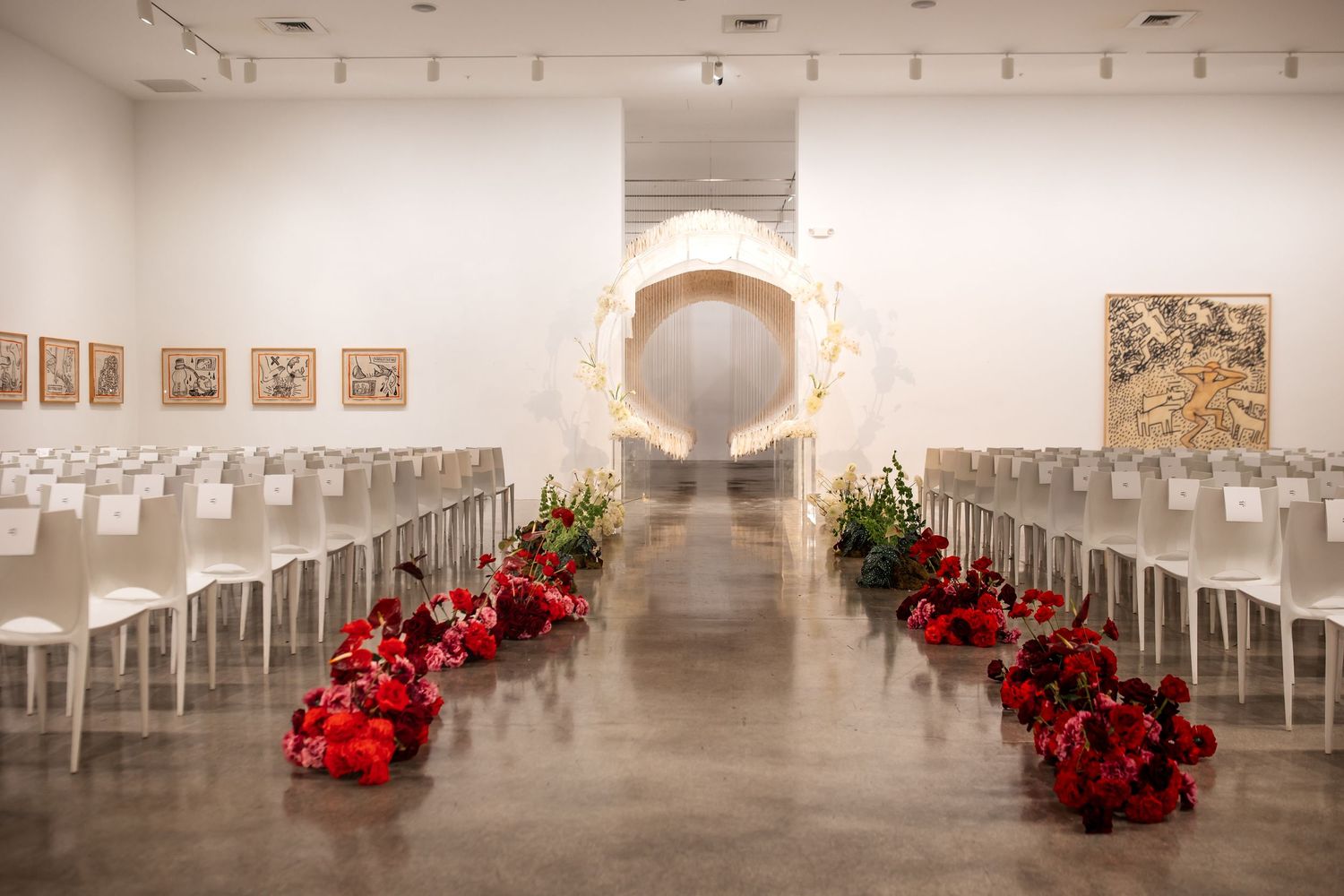
In wedding photography, capturing genuine emotion requires more than technical skill—it demands an understanding of the couple’s story, artistic vision, and strong interpersonal skills. A wedding is filled with spontaneous, raw emotion. This guide offers actionable tips to capture candid, creative images that reflect true sentiments, teaching photographers to plan ahead, anticipate moments, and employ technical techniques for timeless images. The sections below cover strategies for anticipating moments, selecting camera settings, personalizing experiences, and building authentic interactions to inspire photographers to move beyond static poses and capture the unpredictable beauty of a wedding.
What Are the Best Candid Wedding Photography Tips to Capture Genuine Moments?
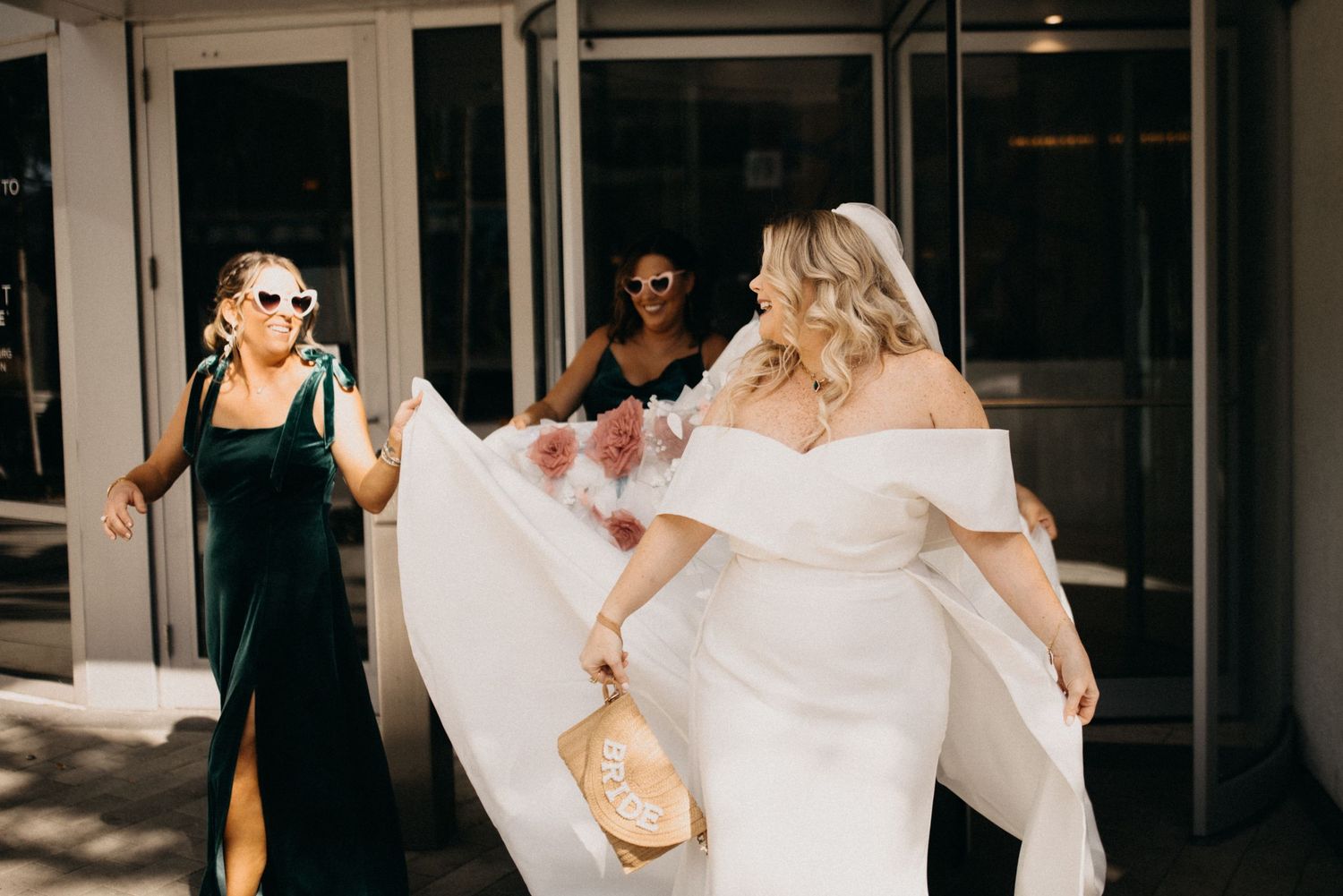
The best candid wedding photography tips focus on being attentive, adaptable, and unobtrusive. Photographers should blend into the environment so that couples and guests feel comfortable. This allows spontaneous interactions and genuine emotions to unfold naturally, resulting in images that reflect the true essence of the wedding.
How Can Photographers Anticipate Emotional Moments During Weddings?
Anticipation is key. By studying the wedding timeline and noting moments such as the exchange of vows, first dance, or farewell, photographers can prepare to capture peak emotions. Close pre-wedding communication helps reveal personal anecdotes and triggers. Attention to subtle body language cues like a smile or tear, along with setting up in naturally interactive areas, increases the chance of capturing unguarded moments. Creating a mood board or shot list and pre-focusing on anticipated spots ensures readiness to catch fleeting expressions.
Which Camera Settings Enhance Natural, Unposed Shots?
For candid photography, ideal settings include fast shutter speeds (around 1/250th or faster), wide apertures (f/2.8–f/4) for shallow depth of field, and moderate ISO settings (800–1600 for low light). These settings freeze motion and enhance intimacy by isolating the subject with a blurred background. Manual or semi-automatic modes, combined with continuous autofocus (AI Servo/AF-C), enable quick adaptation to changing lighting. Minimal use of flash and reliance on natural light—especially during golden hour—helps preserve natural skin tones and emotion.
How Do Lighting and Composition Affect Emotional Impact?
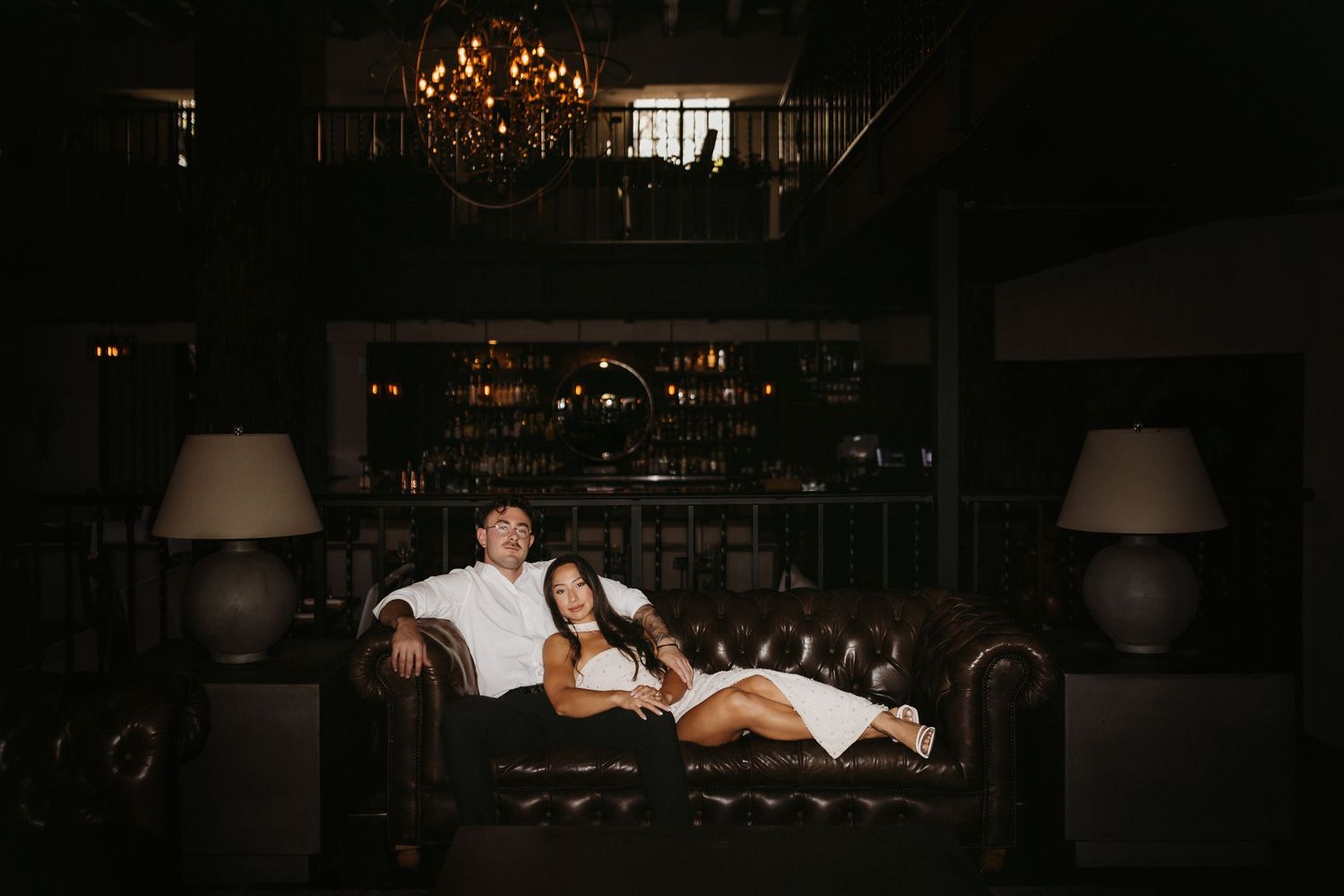
Lighting and composition are critical. Soft natural light or ambient candlelight enhances authentic moments. Photographers should use light direction to create dramatic shadows or gentle highlights that emphasize facial expressions. Techniques such as backlighting, silhouettes, and lens flare can add artistry and depth. Composition methods like framing, the rule of thirds, and leading lines focus attention on the emotional subject while environmental elements, like decor and venue details, enrich the narrative, evoking feelings of warmth and nostalgia.
How Can Storytelling Elevate Emotional Wedding Photography?
E
Storytelling turns a series of images into a meaningful narrative that reflects the couple’s journey. Each photo acts as a chapter, with the visual sequence revealing the emotional arc from anticipation to celebration, creating a memorable wedding album.
What Are Key Elements of Storytelling in Wedding Photography?
Effective storytelling relies on three elements: context, chronology, and emotion. Context provides the setting for the couple’s story, chronology arranges events from preparation through the ceremony to celebration, and emotion ties the narrative together. Pre-wedding consultations can reveal unique cultural details, personal rituals, or sentimental items. Capturing various angles—from close-ups that document a tear or smile to wide shots showing the venue—enhances the overall narrative and emotional depth.
How to Use Sequential Shots to Build a Wedding Day Narrative?
Sequential shots create a visual timeline. Starting with behind-the-scenes preparations and moving through significant moments during the ceremony and reception, a series of images arranged in order allows viewers to relive the day. Consistent shooting style and transitional visual elements (such as similar lighting or color palettes) help maintain continuity. Digital slideshows or albums with captions further enhance the narrative quality, reinforcing the progression of events.
How Does Personalizing the Story Reflect the Couple’s Unique Emotions?
Personalization is about reflecting the couple’s unique bond and traditions. Photographers should explore the couple’s backstory through conversations to capture significant personal details—whether it’s a cherished family heirloom or a song that evokes strong memories. By incorporating these elements and tailoring the shoot to the couple’s personality, the resulting images feel custom-made and emotionally powerful. Post-production techniques like subtle color grading can further enhance the couple’s unique style.
What Are Creative Wedding Photography Styles That Capture Emotion Uniquely?
Creative wedding photography transcends conventional posing. By exploring innovative techniques and fresh perspectives, photographers can capture raw emotion as works of art that reflect both the mood and the unique spirit of the wedding day.
Which Artistic Techniques Highlight Raw Emotions?
- Intentional Camera Movement – Dynamic Expression: Moving the camera during exposure produces creative motion blur that emphasizes the spontaneity of a moment.
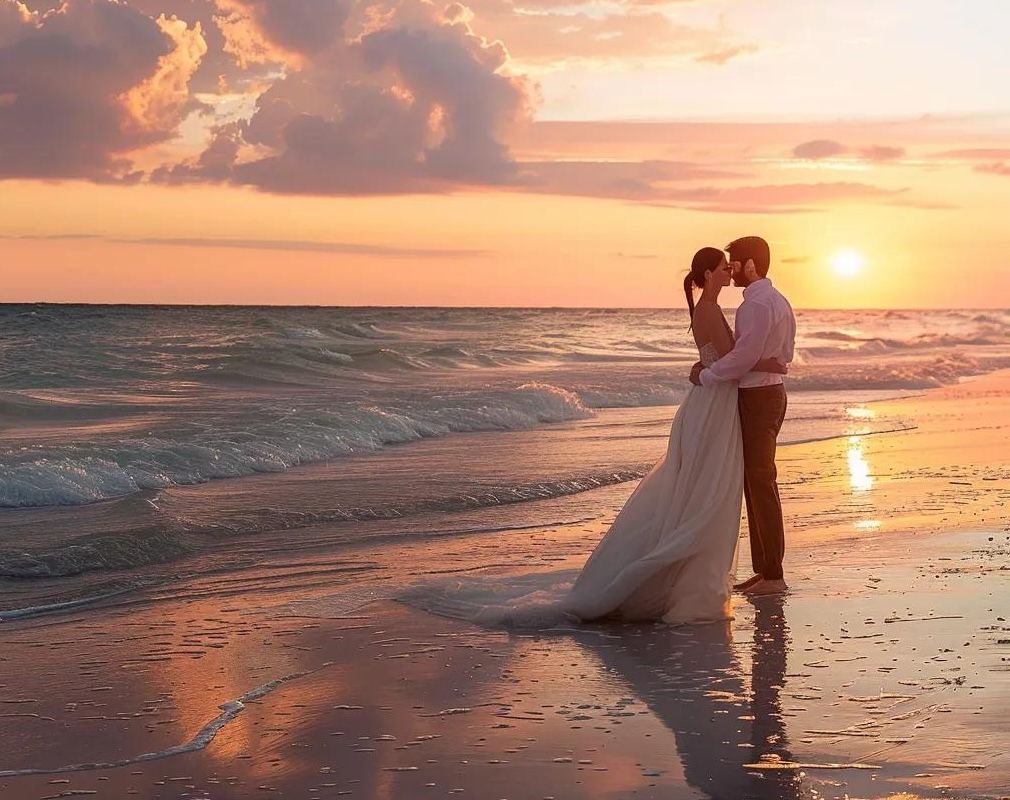
- Silhouette Photography – Dramatic Contrast: Shooting against strong backlight simplifies the scene into powerful, expressive outlines that focus solely on emotion.
- Macro Photography – Intimate Details: Close-up shots of tears, clasped hands, or subtle smiles capture the minute details that tell an intimate story.
- Double Exposure – Dreamlike Memory: Layering two images creates a textured, dreamlike effect, symbolizing the mix of memories and emotions.
- Environmental Portraits – Contextual Emotions: Including the surroundings in the portrait adds context and depth to the couple’s emotions, linking personal feelings with their beautiful setting.
How Do Different Styles Influence the Mood of Wedding Photos?
Different styles create different moods. A documentary style offers raw, unfiltered moments that feel intimate and authentic. In contrast, a fine art approach with creative lighting, dramatic angles, and post-processing can introduce a dreamy, nostalgic quality. The choice between bold, vibrant colors or soft, muted tones further shifts the mood—ensuring that every photograph connects with the viewer’s emotions.
What Role Does Post-Processing Play in Enhancing Emotional Expression?
Post-processing refines the final image without altering its authenticity. Techniques such as selective color corrections, vignette effects, and split-toning help emphasize the emotion captured on the day. The goal is to enhance, not over-edit, preserving the natural warmth and nuance of each moment. Custom presets can bring consistency across an entire album while ensuring that the final images remain visually striking and emotionally resonant.
How Do Photographers Build a Personalized Experience to Capture Authentic Emotions?
n
A personalized photography experience is built on genuine rapport with the couple. Understanding their story and preferences allows photographers to capture more natural interactions and unique moments, setting the stage for images that feel both intimate and true to the couple's identity.
What Questions Should Photographers Ask Couples to Understand Their Vision?
Photographers should ask thoughtful questions such as, “What moments in your relationship have been most meaningful?” or “Are there any unique traditions you want to capture?” These questions help reveal the details that make the couple special, guiding the photographer’s approach. Conversations during pre-wedding consultations also set expectations and build trust, ensuring that both candid and posed shots reflect the couple’s vision.
How Does Building Trust Affect Candid Emotional Shots?
Trust encourages genuine expression. When couples feel comfortable with their photographer, they are more likely to relax and share natural moments. Consistent communication, reliability, and empathy during pre-wedding meetings help build that trust. This rapport results in candid images filled with spontaneous laughter, tender glances, and natural smiles that truly capture the wedding day’s emotion.
What Are Effective Communication Techniques During the Wedding Day?
During the wedding, effective communication is key. Photographers should use discreet, non-verbal signals—such as subtle eye contact or light gestures—to guide the couple without interrupting the flow. Pre-arranged cues and quick check-ins with key team members (like wedding planners) help maintain a smooth process. This clear and calm communication ensures that every important moment is captured in a natural, unforced manner.
What Are Creative Wedding Photography Styles That Capture Emotion Uniquely?
In creative wedding photography, the aim is to break away from conventional poses and explore innovative methods that capture genuine emotions. By blending different artistic approaches, photographers can produce a diverse and compelling collection of images that fully reflect the wedding day’s emotional landscape.
Which Artistic Techniques Highlight Raw Emotions?
- Intentional Camera Movement – Dynamic Expression: Deliberately moving the camera during exposure creates striking motion blur that powerfully conveys energy.
- Silhouette Photography – Dramatic Contrast: Backlit silhouettes remove distractions, focusing all attention on expressive outlines and gestures.
- Macro Photography – Capturing Intimate Details: Zoomed-in shots capture subtle details—from a teary eye to a gentle touch—revealing deep personal emotions.
- Double Exposure – Dreamlike Memory: Merging two images creates a layered effect that intertwines memories and emotions.
- Environmental Portraits – Contextual Storytelling: Including the event’s surroundings links the couple’s feelings with the setting, adding narrative depth.
How Do Different Styles Influence the Mood of Wedding Photos?
A documentary style delivers raw, spontaneous emotions, while an artistic style, with creative lighting and editing, provides an ethereal, romantic quality. Varying color choices—from vibrant to muted—further influence the mood, ensuring that every image resonates with the unique energy and intimacy of the day.
What Role Does Post-Processing Play in Enhancing Emotional Expression?
Post-processing is the final step to emphasize the emotional core of each photo. It involves refining colors, contrast, and details to match the mood captured on the day. The aim is to supplement the natural emotions through creative editing—enhancing warmth, contrast, or subtlety—without compromising the authenticity of the moment.
How Can Photographers Capture Emotional Moments Beyond Traditional Poses?
t
Moving beyond traditional posed photography allows the capture of unscripted, genuine emotions that define a wedding. Photographers should focus on documenting natural interactions rather than directing every shot, letting real emotions emerge on their own.
What Are Examples of Emotional Moments Often Missed in Posed Photography?
Emotional moments often lost in posed photography include: - A quiet exchange of glances during the ceremony. - A tender, private moment between a parent and child. - Spontaneous laughter during a moving speech. - The natural reaction of guests witnessing an unexpected, touching gesture. - Small interactions or humorous moments that occur off-camera. Such fleeting instances encapsulate true feelings and form the most cherished memories of the day.
How to Encourage Natural Interactions Without Directing Poses?
Photographers are best served by taking a non-intrusive, observational approach. Instead of rigid instructions, they might prompt couples with gentle questions or encourage playful interactions. This can mean asking the couple to reminisce about a favorite memory while walking together, naturally eliciting smiles and laughter without overt posing.
How Does Environment and Context Influence Emotional Captures?
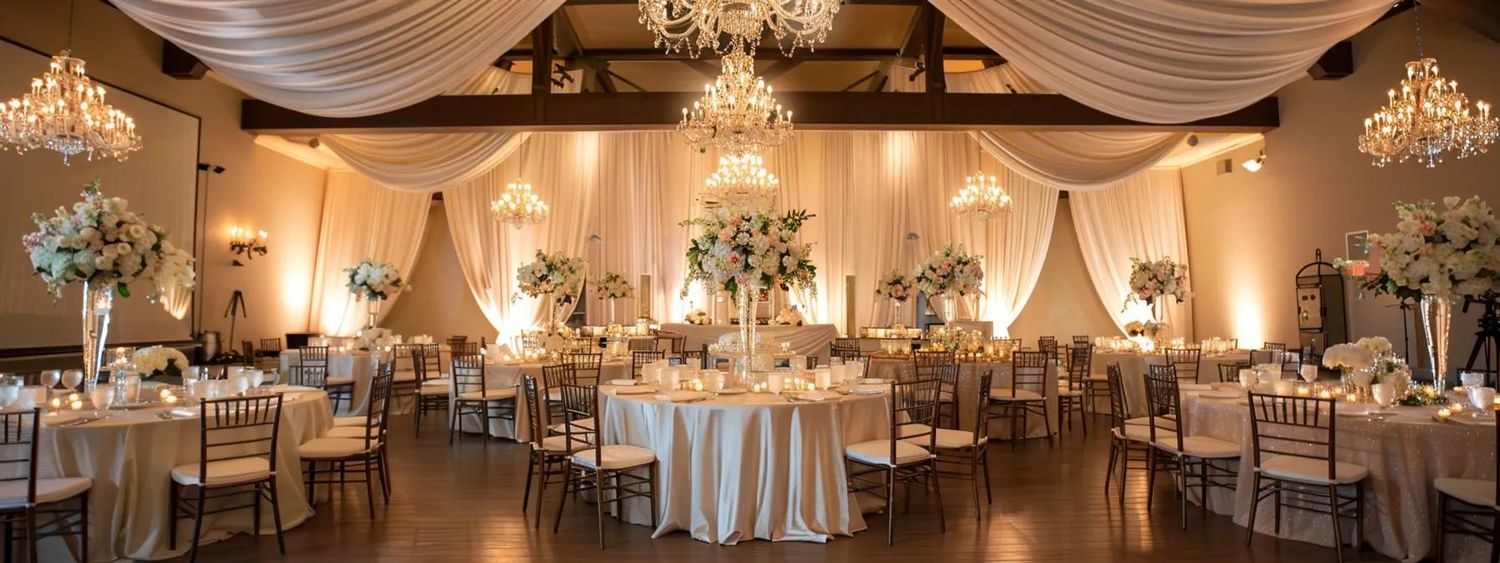
The setting of the wedding plays a significant role. Natural elements like architecture, landscapes, or ambient sounds contribute to the emotional tone. A sunlit garden or a stylish urban venue can heighten the mood by providing context. Details such as floral arrangements and decor also add layers to the narrative, making the final image more evocative and filled with meaning.
What Are Practical Tips for Capturing Genuine Moments in Weddings?
Practical techniques help ensure that every genuine moment is captured. Being present, observant, and discreet throughout the day is essential. These tips are designed to document spontaneous emotions as they occur naturally.
How to Stay Unobtrusive While Photographing Emotional Moments?
Adopt a low-profile approach by using silent shutter modes and dressing in neutral colors. Position yourself in strategic areas and use long lenses to capture moments from a distance. This ensures that you do not disturb the natural flow of interactions, allowing candid emotions to surface.
What Are Signs of Genuine Emotion to Watch For?
Look for subtle cues: a soft smile, a gentle touch, a tear escaping, or a sparkle in the eyes. The way someone leans in to listen or holds another’s hand can indicate deep emotion. These signs require careful observation and patience, ensuring that even brief, fleeting expressions are captured authentically.
How to Balance Artistic Vision With Authenticity?
Striking a balance involves enhancing the scene through composition, lighting, and editing without staging the moment. Artistic techniques should support rather than overshadow genuine interactions. The goal is to create visually appealing images that remain true to the natural emotion of the day, achieving both impact and authenticity.
How Can Couples Prepare to Help Photographers Capture Their True Emotions?
e
Couples play a pivotal role in ensuring that their wedding photos reflect real emotion. Their preparation and openness can lead to more relaxed, authentic interactions during the day.
What Should Couples Share About Their Story and Preferences?
Couples should share details such as how they met, significant moments in their relationship, and any special traditions. These personal insights help the photographer plan a shoot that is uniquely tailored to the couple’s story. Discussing desired styles—whether documentary, fine art, or a blend—further guides the photographer to capture both candid and posed moments that feel personal and poignant.
How Can Couples Relax to Enable More Natural Photos?
Relaxation is critical for authenticity. Couples can ease nerves with stress-reducing activities like a spa day or a casual rehearsal. A pre-wedding consultation with the photographer also builds rapport and sets clear expectations, helping the couple feel comfortable and ready to be themselves in front of the camera.
What Are Ways Couples Can Encourage Candid Moments?
Encourage candid photography by planning unscripted moments. Set aside time for informal interactions, such as a quiet walk or a spontaneous chat with family. Avoid over-scheduling and embrace the unpredictable parts of the day, trusting the photographer to capture these natural interactions that truly reflect the love and joy of the occasion.
Frequently Asked Questions
Q: How important is candid photography in creating a memorable wedding album?
A: Candid photography captures unguarded moments filled with genuine emotion. These images document the true essence of the wedding day and allow couples to relive spontaneous, heartfelt interactions that posed shots often miss.
Q: What technical settings should I prioritize for shooting in low-light conditions at a wedding?
A: In low-light conditions, use a wider aperture (f/2.8 to f/4), faster shutter speeds (1/250th or faster), and adjust ISO (typically 800–1600) to balance clarity with minimal noise. Continuous autofocus is key for maintaining focus on moving subjects.
Q: Can I mix different photography styles during one wedding, and how will that affect the overall narrative?
A: Yes, mixing documentary, artistic, and environmental styles can add depth to the story by providing varied perspectives. A well-balanced mix captures both spontaneous interactions and artfully composed moments, creating a comprehensive and engaging narrative.
Q: How should couples prepare themselves to make the most of candid photography?
A: Couples should relax, communicate their priorities and personal stories, and allow unscripted behavior to unfold naturally. Trusting the photographer and embracing the day’s flow will lead to more authentic images that truly capture the spirit of their love.
Q: What role does post-processing play in reinforcing the authenticity of candid wedding images?
A: Post-processing fine-tunes images by adjusting lighting, colors, and contrast while preserving natural emotion. It enhances warmth or adds a nostalgic tone without compromising authenticity, ensuring that the final images remain visually cohesive and true to the moment.